2 hr
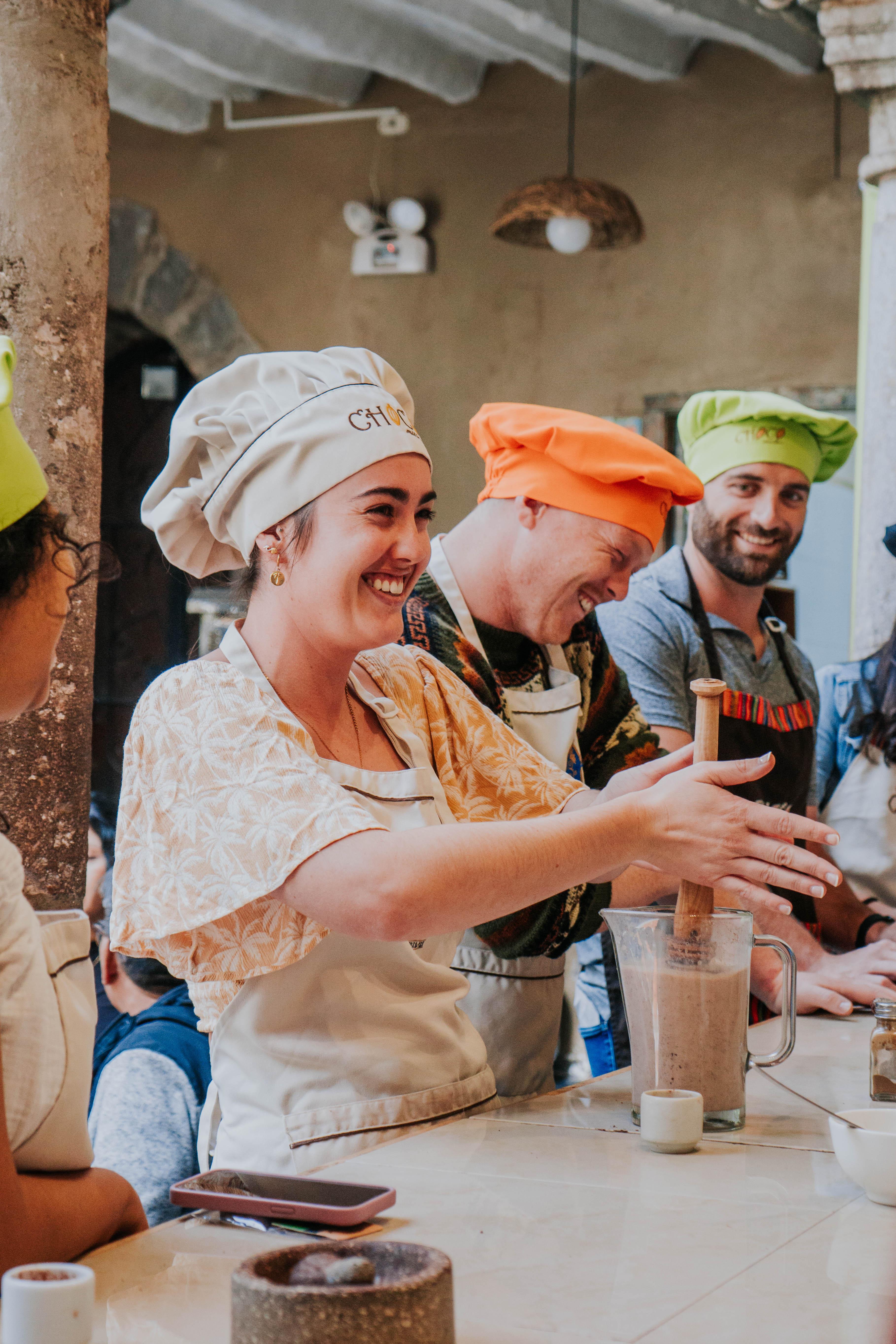
Hands-On Chocolate Making Workshop at ChocoMuseo
Craft artisan chocolate from bean to bar using traditional Aztec techniques in this interactive Cusco experience
Reserve
Hand-picked by our editors — only the best 5 experiences from 12 reviewed.
Verified partners for every tour, free cancellation where available, and instant confirmation on every booking.
2 hr
Craft artisan chocolate from bean to bar using traditional Aztec techniques in this interactive Cusco experience
Reserve
4 hr 10 min
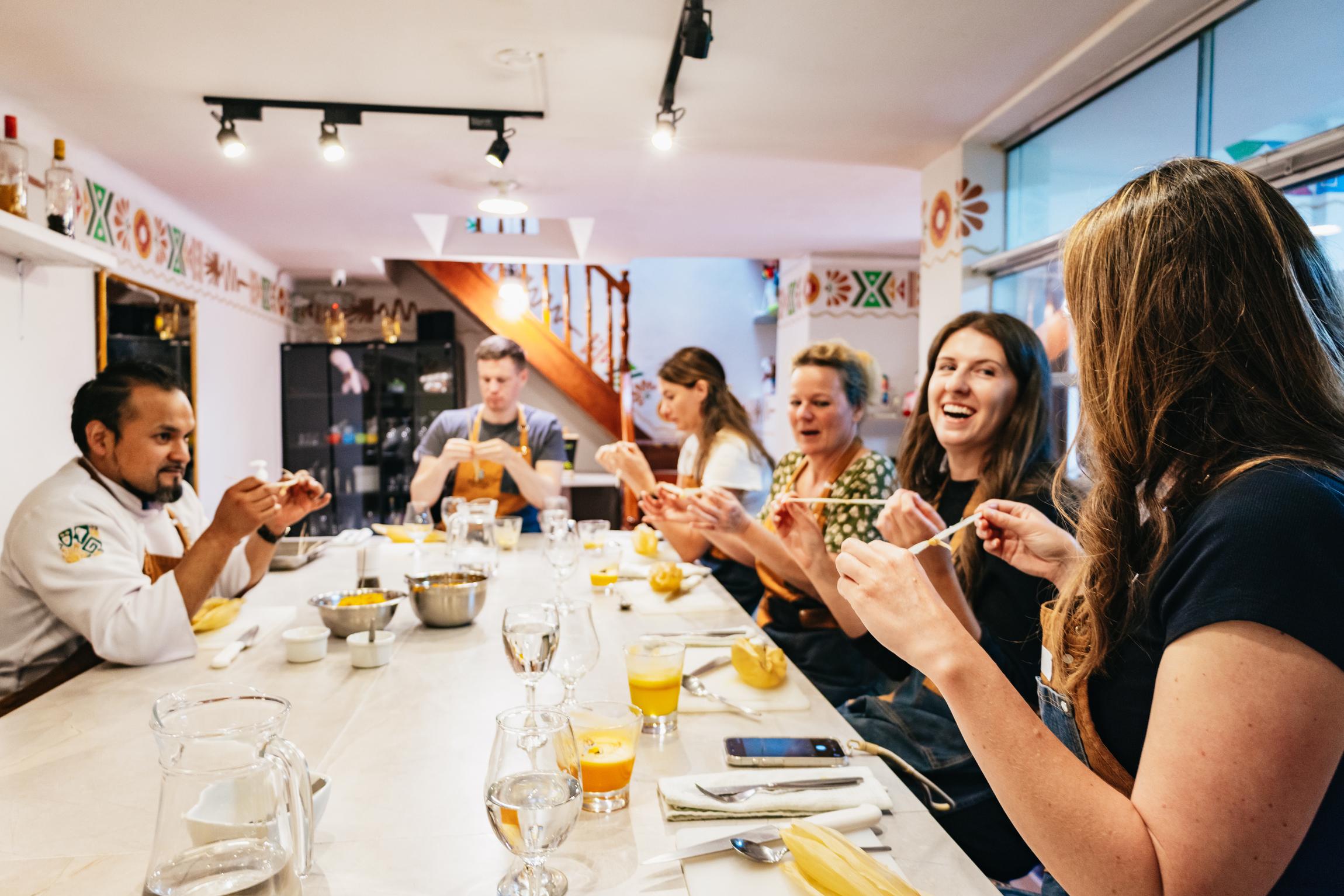
Master authentic Peruvian recipes at a hands-on cooking class after exploring San Pedro's vibrant market
Reserve
12 hr
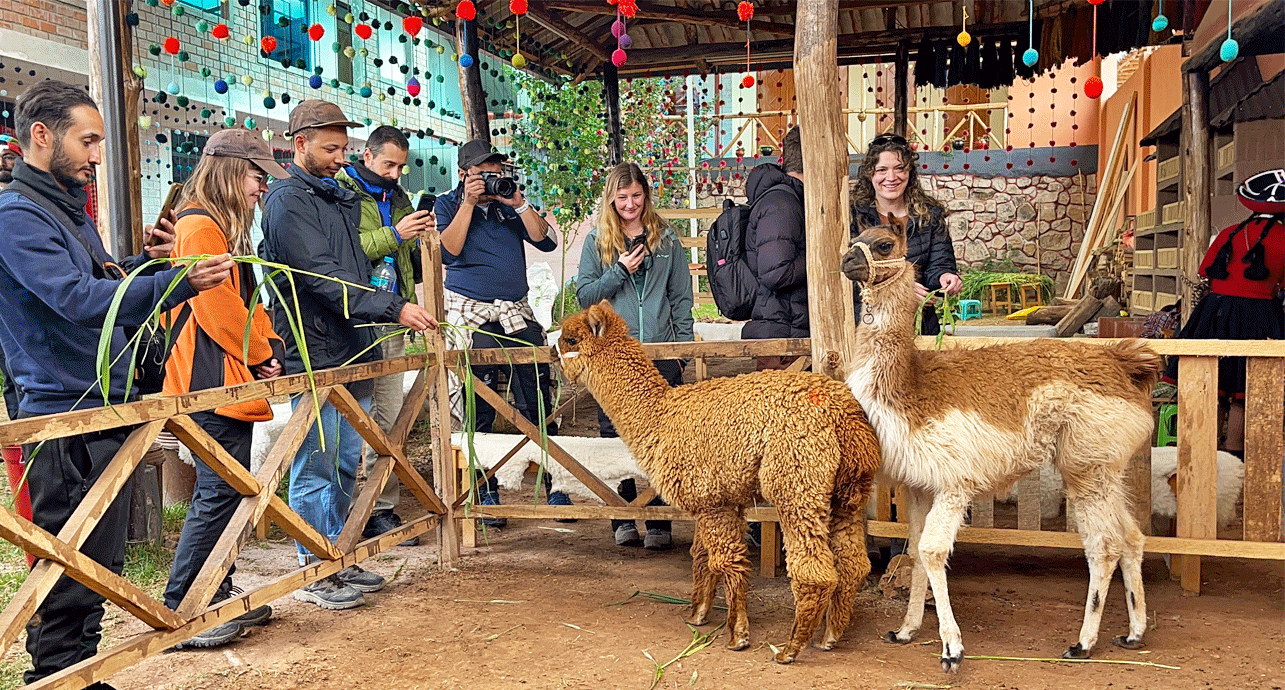
Explore ancient Incan sites, agricultural terraces, and colonial churches across the Sacred Valley
ReservePrices from verified partners. Availability updates in real time at checkout. Free cancellation policies apply where shown.
The landmarks, rooms, and views travelers on this tour remember — all visible on a single visit.
Learn how raw beans are transformed into aromatic nibs using traditional roasting techniques.
Master the art of cooling chocolate to achieve the perfect glossy finish and snap.
Discover the diversity of local cacao varieties through a guided tasting session.
Use professional molds to create your own custom chocolate bars with unique toppings.
Review 500 years of cacao history through informative displays located throughout the museum.
They complement each other, yet most visitors choose the ChocoMuseo workshop for bean-to-bar specialization while selecting the cooking class for a comprehensive meal-preparation session.
| Feature | Top pick ChocoMuseo Cusco | Peruvian Cooking Class |
|---|---|---|
Core Focus |
Bean-to-bar craftsmanship | Regional cuisine preparation |
Skill Level |
Beginner-friendly | Beginner to intermediate |
Duration |
2–3 hours | 3–4 hours |
Take-home Product |
Handmade chocolates | Full multi-course meal |
Ingredient Source |
Peruvian cacao plantations | Local markets and farms |
| See tickets → |
Verdict: Select the chocolate course cusco tour for an immersive look at Andean cacao, or opt for a cooking class if your goal is mastering traditional local dishes through these chocolate course cusco tickets.
Choose your ticket, select your date, and reserve in under two minutes. Secure checkout handled by our verified partner.
Instant confirmation by email, with a mobile voucher you can save offline. No printing, no queuing at a collection desk.
Arrive at the entrance, show your voucher on your phone, and walk in. Most tickets include priority or skip-the-line access.
Practical details for your visit straight from our verified partners — hours, access, rules, and how to get there.
Calle Garcilaso 210, 2nd Floor
Report to the main front desk.
The most convenient way to reach the city center from the airport.
If staying near the historic center, most visitors walk to the workshop location.
Casual attire is recommended for this chocolate course cusco. Since you will be working with heated ingredients, comfortable clothing that can withstand minor spills is preferred.
There are no secure lockers at the venue. Guests should limit large bags to ensure comfort in the workshop area.
Photography is permitted throughout the museum and during the chocolate course cusco. Documenting your tempering and molding process is encouraged.
The museum is located on the 2nd floor, accessible by stairs. Please inquire at the front desk for assistance if you have limited mobility.
Mobile phones may be used for photos during the workshop. Please keep them tucked away during active instruction to prevent damage from chocolate splatter.
Children are welcome to participate in the hands-on chocolate course cusco. Workshops are designed to be engaging for both adults and young makers.
External food is not permitted in the workshop room. You will consume the chocolate products you create during the session.
No animals are allowed inside the facility. Service animals should be registered with staff upon arrival.
The atmosphere in Cusco can be thin; stay hydrated before beginning your workshop. Participants are provided with aprons to protect clothing.
Best time to go, insider tips, nearby landmarks, and the cancellation fine print — flip through to skim what matters to you.
How crowds, weather, and events shift across the year.
September to November offers temperate weather and thinner crowds for a chocolate course cusco experience.
December to March is the rainy season, making indoor activities like a bean-to-bar tour popular.
April to May provides clear skies and comfortable temperatures for city exploration before your workshop.
June to August is peak tourism season; book your chocolate course cusco well in advance for these months.
Small details that turn a good visit into a great one.
Secure your spots for the popular chocolate course cusco online to avoid disappointment on the day of your visit.
Aim for the 09:00–11:00 window to enjoy a more relaxed environment and better interaction with instructors.
Staff will provide aprons, but avoid wearing expensive white clothing to the workshop.
The instructors are experts in Peruvian cacao, so feel free to ask about the fermentation process.
The workshop includes various tastings of chocolate-infused products, so come with an appetite.
Museum hours may occasionally be affected by regional festivals, check the website beforehand.
Non-bookable sights within a short walk — free to visit, easy to pair.
The central hub of the city featuring colonial architecture and gardens.
Known as the Temple of the Sun, this site features incredible Inca masonry.
A historic basilica located on the main square with significant colonial art.
A vibrant market offering local produce and textiles.
Flexible, no hidden fees.
Full refunds are provided for cancellations made at least 24 hours before the scheduled workshop time. No-shows or cancellations within 24 hours of the start time forfeit the booking fee.
Hand-picked options within walking distance — pick a district for vibe, or a specific hotel for convenience.
Historic hotel built on former Inca foundations.
Conveniently located near the main plaza with modern amenities.
Central area filled with boutique hotels and hostels.
ChocoMuseo Cusco opened its Calle Garcilaso doors in 2011 with a mission to preserve Andean cacao traditions predating the Inca Empire. Archaeological evidence from Chavín de Huántar confirms Peruvians cultivated Theobroma cacao as early as 3000 BCE, long before Mesoamerican civilizations claimed the crop. The museum's second-floor workshop reclaims that heritage through hands-on instruction in traditional methods — stone grinding, wood-fired roasting, and raw-sugar tempering — that commercial chocolate factories abandoned centuries ago. The chocolate course Cusco attracts culinary students and curious travelers alike because it addresses the full production chain. Participants roast Chuncho and Criollo beans sourced from Quillabamba's cloud forests, grind nibs on volcanic metates identical to those archaeologists unearthed at Machu Picchu, and temper chocolate without electric machinery. Instructors explain how altitude affects crystallization and why Peruvian Nacional cacao carries floral notes European varieties lack. The two-hour format balances lecture with tactile work — by the session's midpoint, participants have molded their own truffles and bars to take home. ChocoMuseo positions itself as an educational counter-narrative to industrialized confectionery. Its permanent exhibition traces cacao's role in pre-Columbian rituals, colonial tribute systems, and modern fair-trade cooperatives. Ceramic replicas of Moche drinking vessels sit alongside vintage European molds, illustrating how chocolate's cultural function shifted across continents. The museum stocks single-origin bars from twelve Peruvian regions, each labeled with terroir notes and cooperative names — a transparency rare in South American chocolate retail. The workshop space occupies a restored colonial courtyard where natural light illuminates whitewashed walls and cedar beams. Floor-to-ceiling windows face the Plaza de Armas, grounding the chocolate course Cusco experience in the city's geographic heart. Participants work at communal tables fitted with gas burners and marble slabs, equipment designed for small-batch precision rather than speed. The museum's commitment to artisan scale means class sizes cap at twelve, preserving the instructor-to-student ratio necessary for personalized guidance. That intimacy transforms a cooking class into an apprenticeship, however brief, in a craft Peruvians refined across three millennia.
"Participants roast Chuncho and Criollo beans sourced from Quillabamba's cloud forests, grind nibs on volcanic metates identical to those archaeologists unearthed at Machu Picchu."
A step-by-step walkthrough of the visit — what you'll see, how long each stage takes, and the details that matter.
You climb the colonial staircase to ChocoMuseo's second floor at 9:00 AM, when morning light floods the courtyard workshop. Your instructor distributes aprons and small baskets of raw cacao beans — Chuncho varietals from the Cusco jungle, still sticky with fermented pulp residue. You sort beans by size, discarding any split or moldy specimens, then spread them across a mesh screen for the first roasting phase. Ten minutes at medium heat releases the beans' dormant aromatics — earthy, almost tobacco-like. You crack cooled shells by hand, winnowing away papery husks to isolate purple-brown nibs. The instructor demonstrates proper metate technique: circular wrist motion, consistent pressure, gradual addition of raw cane sugar. Your forearm burns after five minutes of grinding, but the paste darkens and smooths. You temper the mixture on a chilled marble slab, folding and spreading until it reaches 31 degrees Celsius — the precise temperature where cocoa butter crystallizes into snap-ready chocolate. By 11:00 AM, you've molded eight truffles and two bars, each wrapped in wax paper labeled with the day's date and bean origin.
The facility is open Monday through Sunday from 09:00 to 19:00.
No, there is 0 PEN entrance fee for the museum, though workshops have their own pricing.
You can purchase chocolate course cusco tickets directly through our official booking portal.
Yes, children are welcome to participate in the chocolate course cusco with family.
The best arrival window is between 09:00–11:00 to avoid mid-day crowds.
Yes, you are encouraged to photograph your experience during the chocolate course cusco.
The museum is on the 2nd floor, so please contact staff for accessibility options at ChocoMuseo Cusco.
Bring your reservation details and comfortable clothing for your chocolate course cusco.
Yes, you can easily visit Plaza de Armas or Qorikancha after your chocolate course cusco tour.
Full refunds are available for cancellations made at least 24 hours prior to your scheduled workshop.